King Arthur Epi de Ble and Dutch Oven Dinner Rolls. And A Couple Of No Kneads.

I went a little over the top with the Thanksgiving breads this year: A 1.3x batch of King Arthur’s Epis de Ble, two batches of King Arthur’s Dutch Oven Dinner rolls, and two No-Knead breads. All of that for nine people. I started at 4:30am and finished around 11am.

I made a couple of changes to the Epi de Ble recipe. I increased the total flour weight to 620 grams and used bread flour instead of all purpose. This made four epi. The poolish was changed to incorporate all of the water — 403 grams water and 403 grams flour. The total formula included 63% water, 2% salt. King Arthur original recipe here.

I made a double batch the Dutch Oven Dinner Rolls and modified that recipe slightly as well. All of the water (227g x 2 = 454g) and 454g of the flour were included in poolish that spent three days in the refrigerator. And I used 2% salt by weight. King Arhur recipe is here.

Finally, I made two No-Kneads using the recipe in the header at the top of the page.
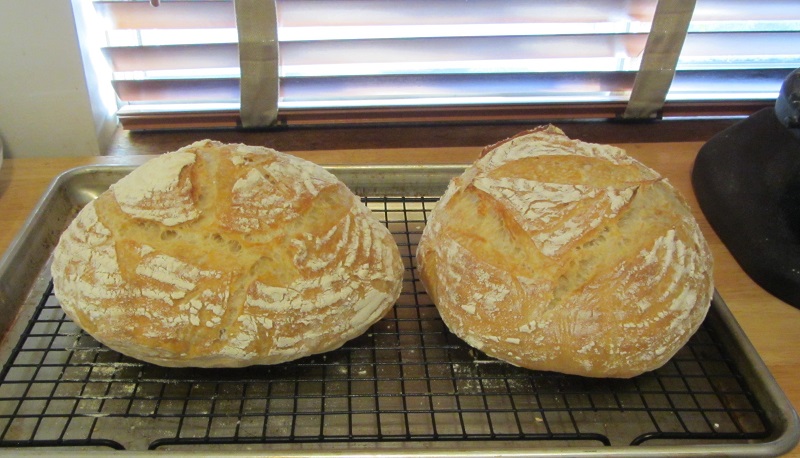
I think overall everything came out a little bit lighter colored than usual — I put a sheet tray in the bottom of the oven so that none of the bottoms would get too dark. It had the side effect of not allowing the breads to deeply brown either, but I thought it was a reasonable tradeoff and nobody seemed to mind.

It was basically five individual bakes, so I made a chart of when everything needed to be handled, mixed, or if the oven needed a temperature change for the upcoming items. With that many things happening I was glad I did, and I didn’t wind up with any timing conflicts.

Next year I’m going to make half as much stuff and get more sleep.

Happy Baking
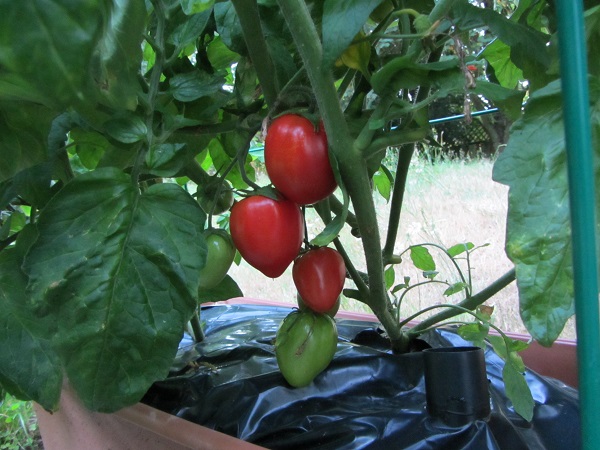
2024 Container Garden Recap

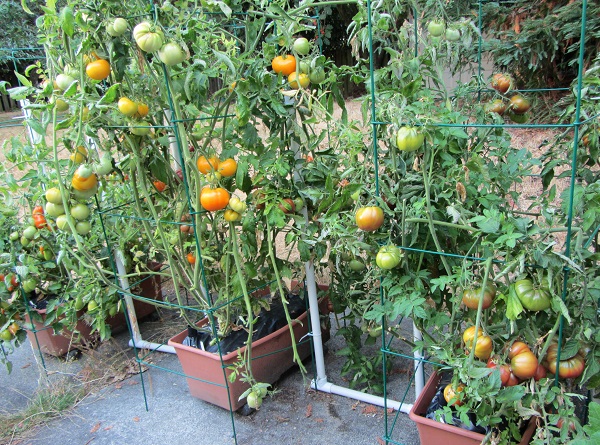
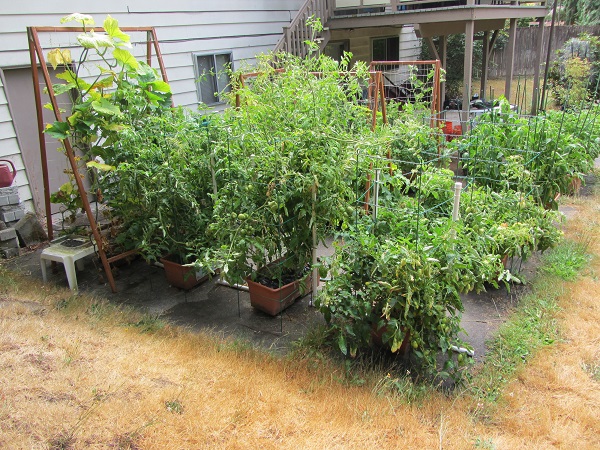
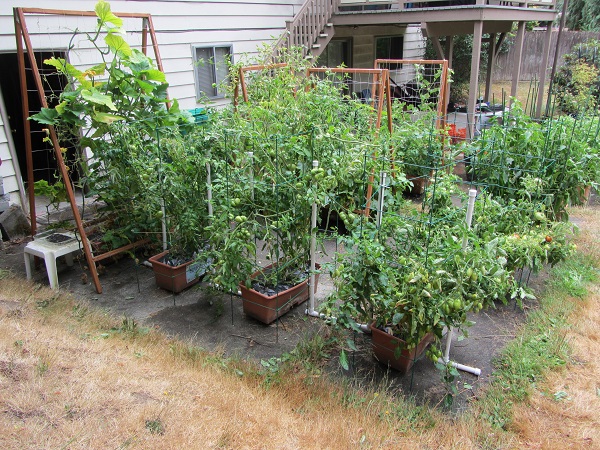
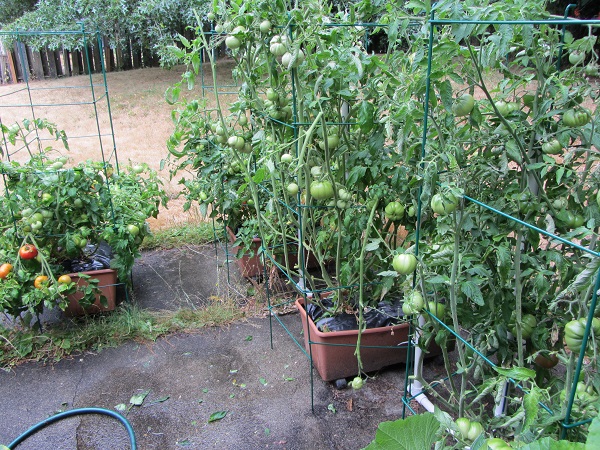
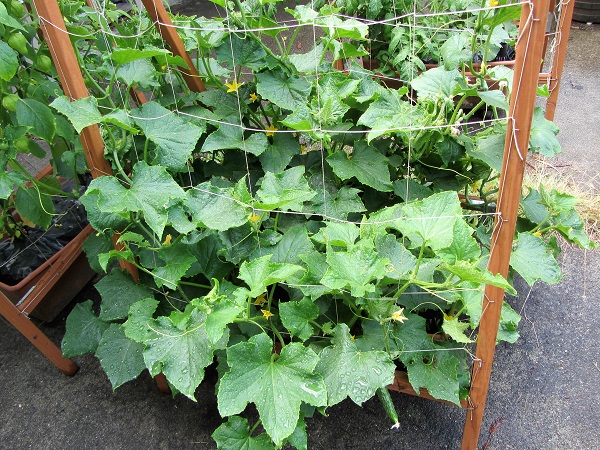
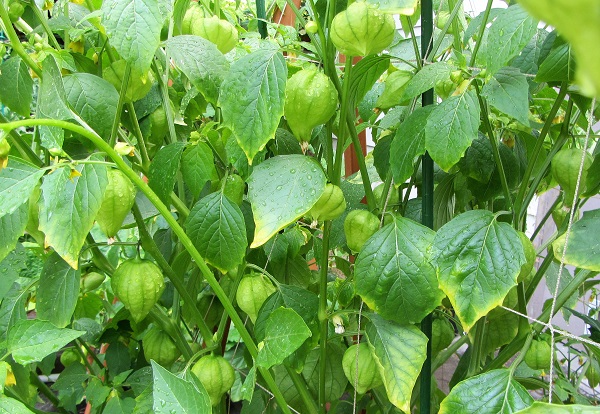
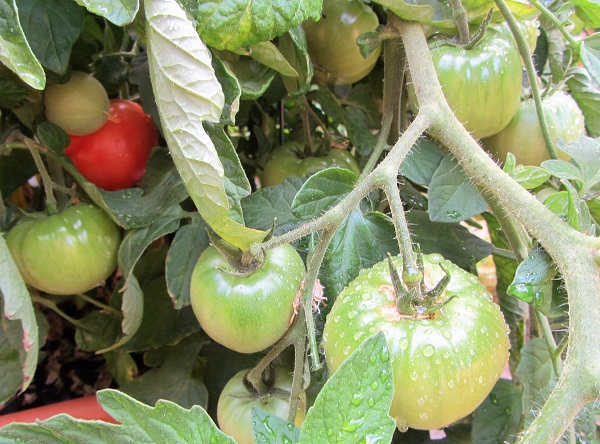
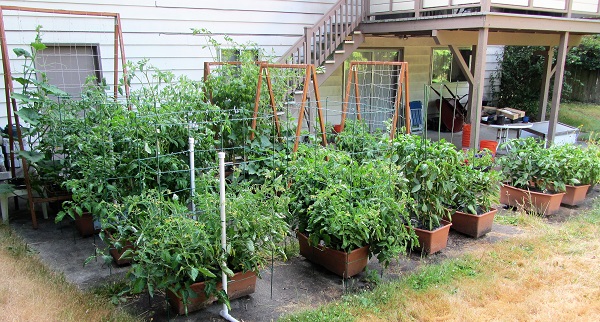
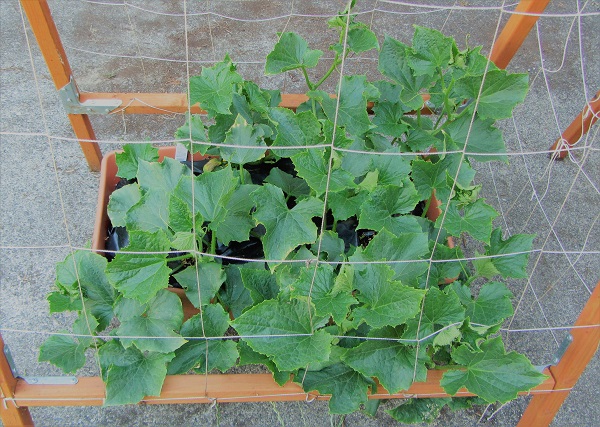
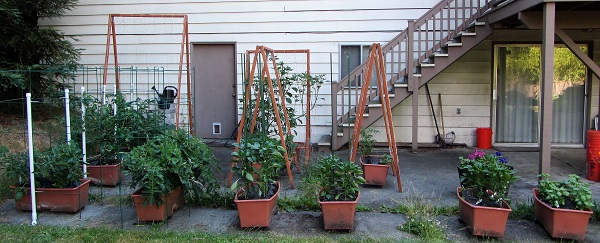
2024 was our worst year ever by total yield or by EarthBox by quite a bit. This year we grew four boxes of tomatoes (8 plants), one box of cucumbers (4 plants), one split box of zucchini and tomatillos (one of each), and one box of basil (4 plants).

Typically we get around 20 pounds per tomato plant — around 40 pounds per EarthBox. Not this year:

One box (four plants) Cucumbers: 27.9 pounds. Not a terrible year for cucumbers. They maintained good shape and taste deep into the harvest season.

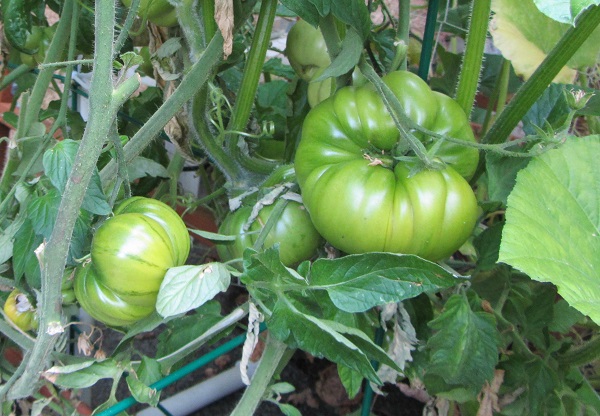
One box (two plants) Black Krim Tomatoes: 14.6 pounds

One box (two plants) Oregon Spring Tomatoes: 12.6 pounds

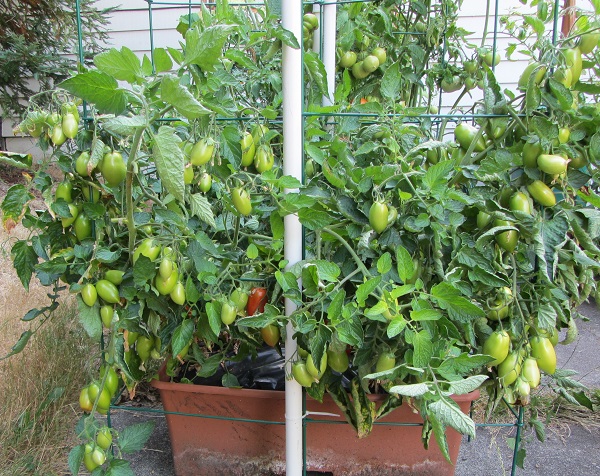
Two boxes (four plants) Roma Tomatoes: 22.2 pounds

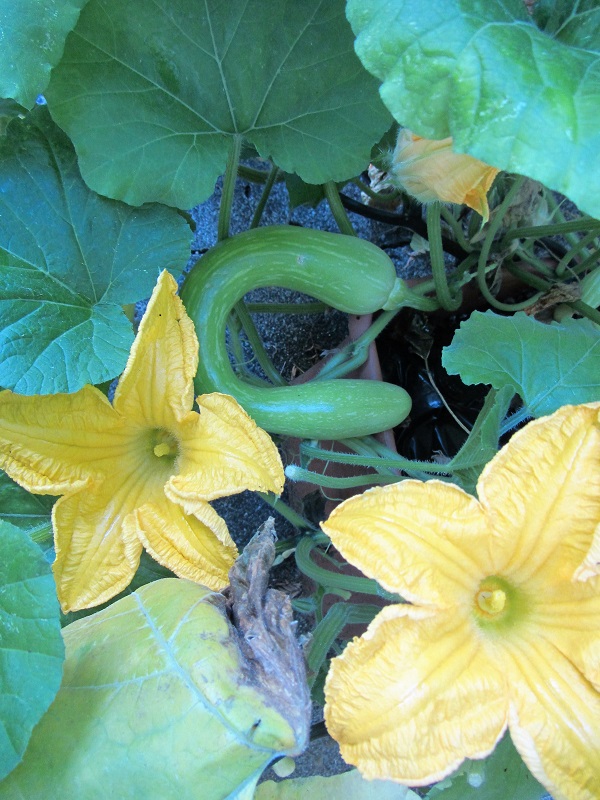
1/2 box (1 plant) Zucchini: 6.7 pounds

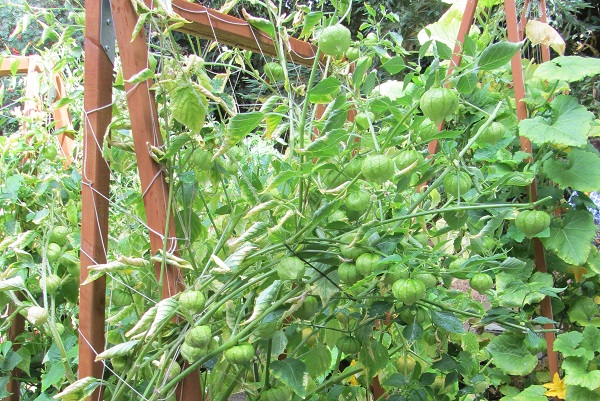
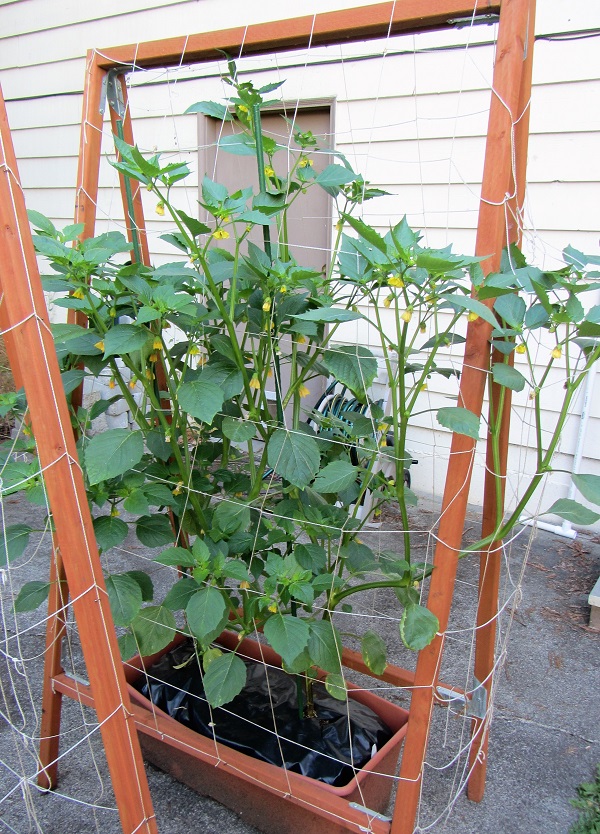
1/2 box (1 plant) Tomatillo: 3.3 pounds

87.3 pounds total.

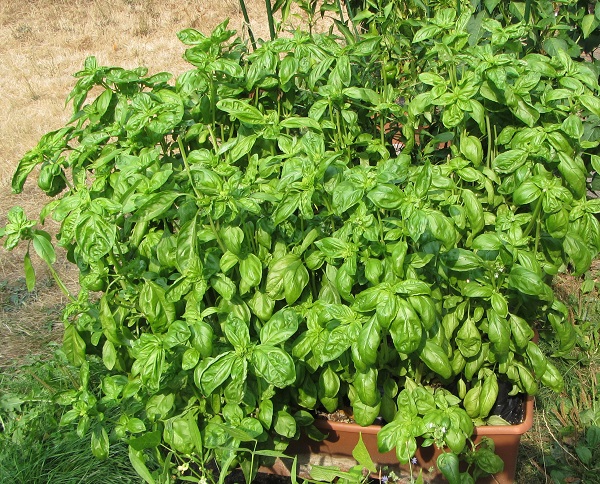
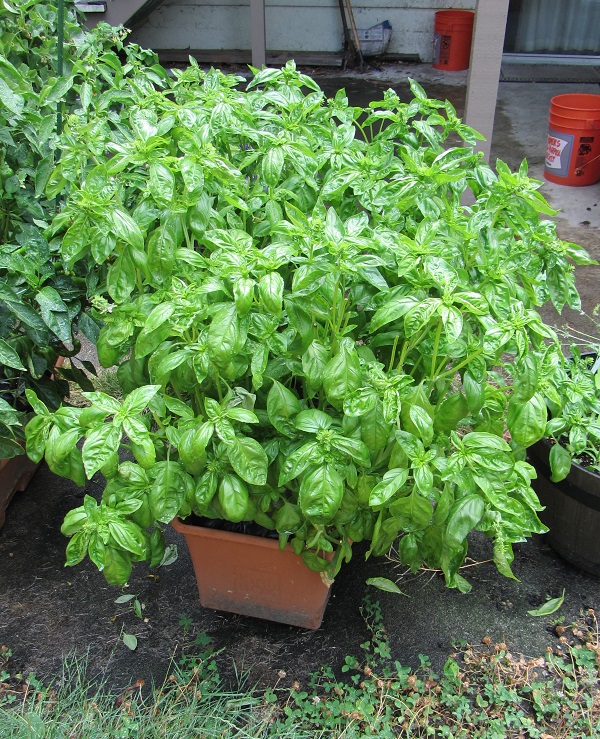
We also grew one box of basil, and as usual the box produced way more than we could consume. At the end of every season it gets distributed around the neighborhood before the cold damages it too much.

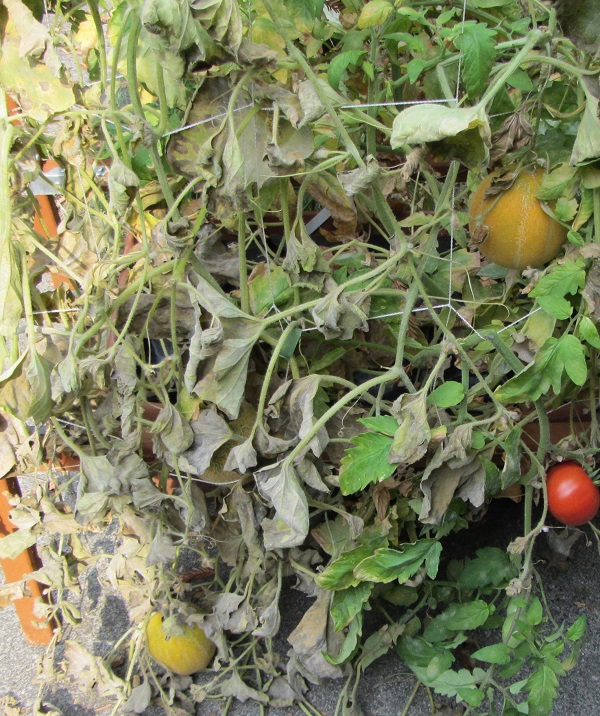
We’re in the Seattle area. Almost everyone I talked to said they were having a bad year for tomatoes, so I don’t think it was just us. We did have one Roma die outright, which is the first tomato plant we’ve had die in over ten years of gardening. On average the yield this year was about 1/3rd of what we’ve seen historically.

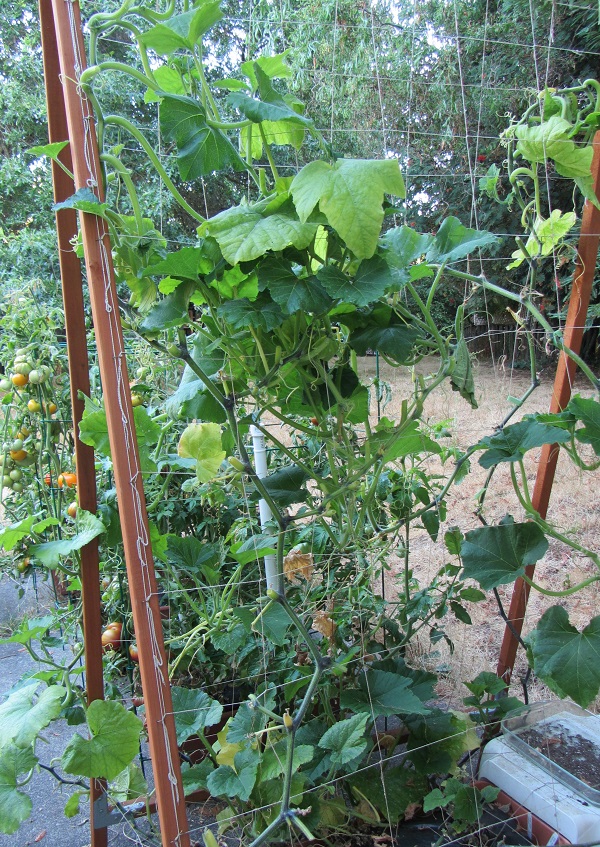
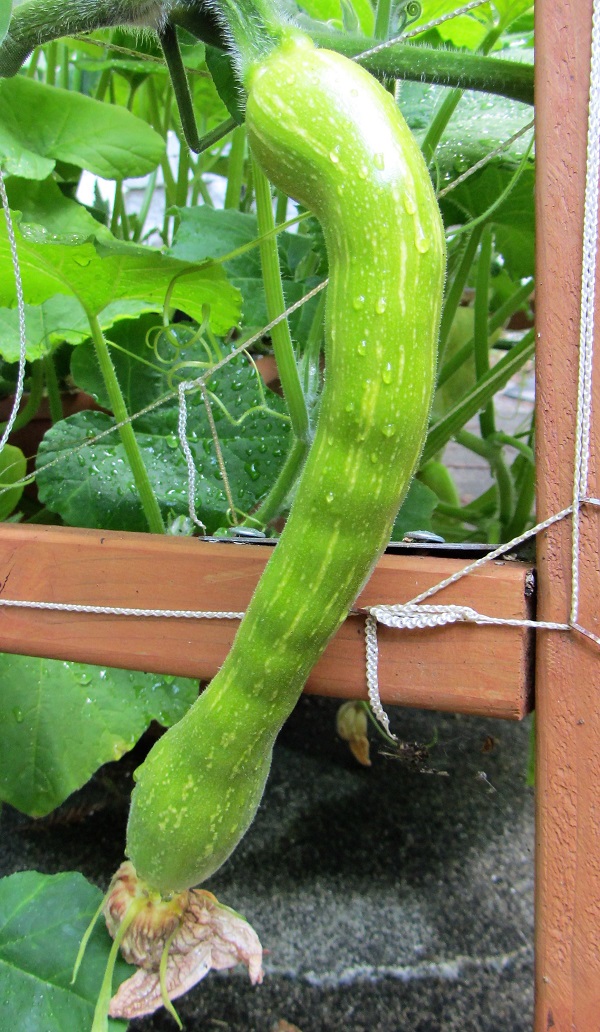
The other “problem” was that we bought the last zucchini plant labeled as Tromboncino from the nursery. It turned out it was a “regular” zucchini plant, so it flopped all over the Tomatillo, rather than vining and staying out of the way like it was supposed to. There were no winners in that competition for space and light.

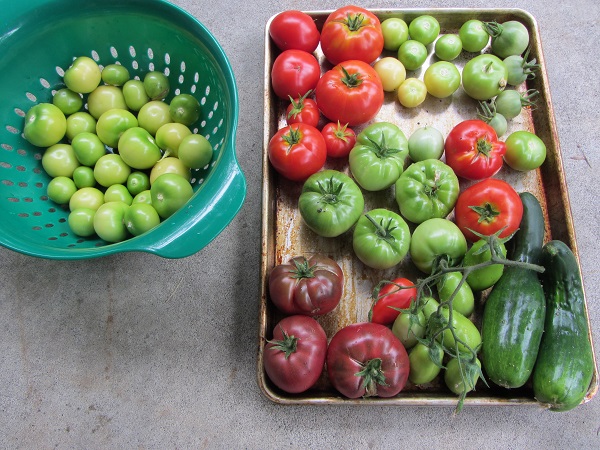
The flip side is 80 pounds of produce is a lot of stuff. We processed the tomatoes into sauce and froze dinner-sized portions. Both the downstairs chest freezer and the upstairs freezer are packed solid with vegetables.

Going forward, it may be we need to cycle out potting soil and replace it with fresh. It may also be that 2024 is closer to the new normal as the large trees around our lot continue to encroach on good sun for the garden.

I think overall it was a combination of relative lack of attention, bad weather, and bad luck (mislabeled pant and the dead tomato plant).

We’ll try again next year.

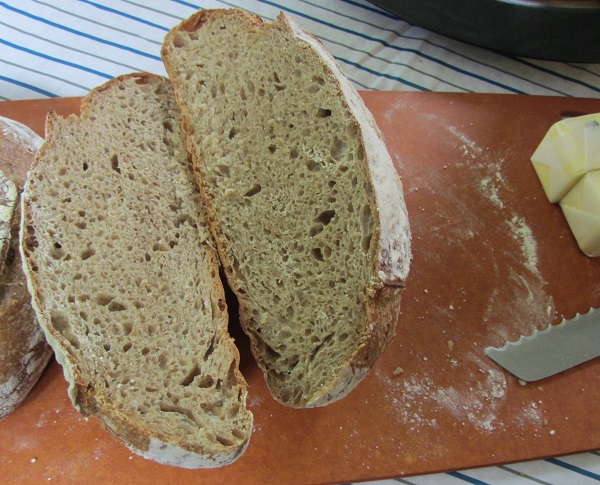
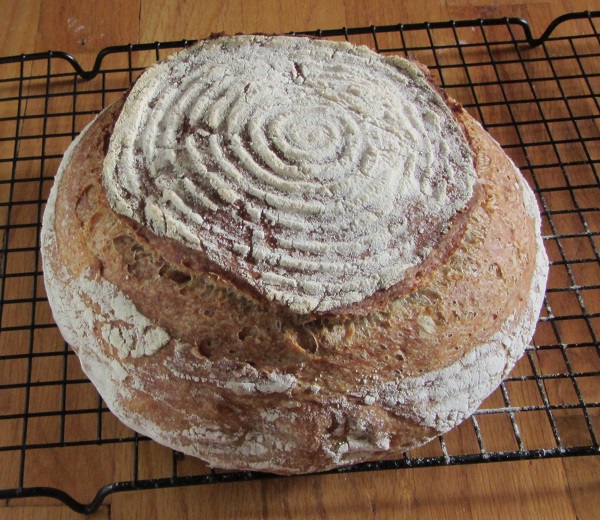
A 50/50 Boule With Yecora Rojo

Inspired by this “Yecora Rojo Sourdough Breads (No Knead Version too)” recipe on Breadtopia, I thought I’d try a non-sourdough version that I sort of crossed with my basic No Knead recipe.

The recipe is 200 grams King Arthur Bread Flour, 200 grams fresh-milled Yecora Rojo wheat flour, 336 grams cool water (84% hydration), 8 grams kosher salt (2%), and 1/4 tsp instant (not rapid-rise) yeast. Combine all in a bowl and mix until it’s a homogenous mass. Cover and leave on the counter.

I started the dough at 7pm the day before baking. At 11pm the dough was looking pretty feisty and had about doubled, so I did some Rubaud folds and put the container into the refrigerator, mostly because I preferred sleep over handling bread at that hour.

I did two more Rubaud folds at 1am and 4am, each time returning the dough to the refrigerator. At 4am the dough was still fairly shaggy but it was coming together. I removed the dough from the refrigerator at 6am and did coil folds at 6am, 7am, and 8am.

The dough was smooth and handled well after the 8am coil fold so I moved it to a covered banneton. At 9am I preheated the oven and our Le Creuset bread oven to 460F. At 10am the dough went onto a parchment and was slashed, then moved over to the bread oven. I reduced the temperature to 450F and baked the dough for 20 minutes covered, then 22 minutes uncovered. (The same time and process that I use for No Knead bread, though most times I’ll just go directly into the Le Creuset or a dutch oven rather than starting on parchment.) Cool on a baking rack.
The 84% hydration matches the Breadtopia recipe. The 1/4 tsp instant yeast matches my normal No Knead recipe. The bread measured 205F when I removed it from the oven which (again) is in-line with Breadtopia.

The bread was very moist. It had a decently open crumb, though it wasn’t quite as open as the pictures on Breadtopia. My feeling is that the dough could have possibly used another round or two of coil folds, but that was going to put the timing really close to when we needed to take it across town.

I was happy with the crust too, it had a nice bite to it but not “too much”. The next time around I’m going to try a little less flour in the banneton — I was probably too concerned with the dough easily releasing from the banneton so I may have overdone it a bit.

I don’t normally drop breads that I haven’t tested at all into a group setting, but I was reasonably confident everything had worked out and the bread was well received. So that was good.

The next time I’ll probably move the dough to the refrigerator after a shorter initial room temperature rise, then incorporate coil folds as soon as the dough will allow it. It might be the right answer is to do some Rubaud folds in the first hour prior to refrigerating overnight, then moving the dough back to the counter in the morning and using coil folds until the dough is ready.

Yecora Rojo is a Hard Red Spring wheat variety developed in the 1970’s. It’s my understanding that it’s used by some well-known bakeries and in flour blends for “artisan breads”. Last week I was buying wheat berries and Rogue de Bordeaux was not available, so I added Yecora Rojo to the Breadtopia shopping cart. I’m glad I did. It (predictably) functions well as an artisan bread flour. Based on one bake it’s not finicky to work with. The taste is not assertive and I think even people who Don’t Like Wheat Bread would eat it, especially if the percentage of Yecora Rojo was cut back to 20% or so.

Happy baking.

Container Garden Update — September 17, 2017

-A.J.

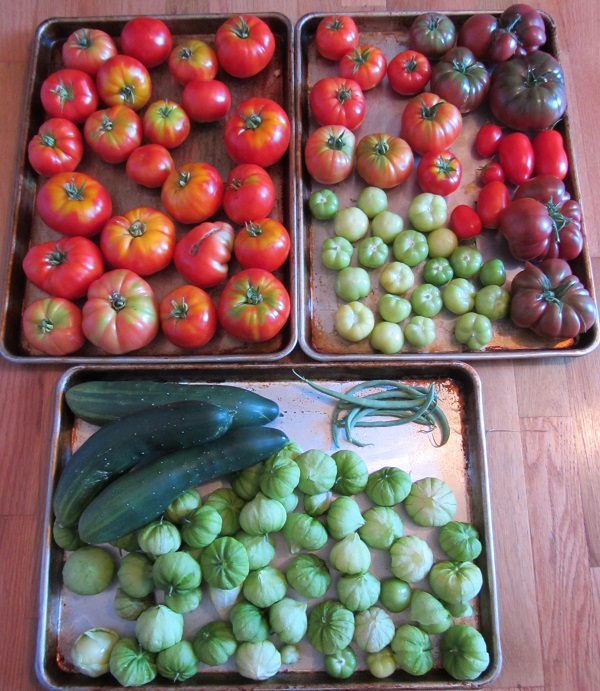
It’s been a busy ten days. Everything decided to ripen at more or less the same time. Altogether it’s been somewhere north of 70 pounds of mostly tomatoes and peppers. And melons(!)

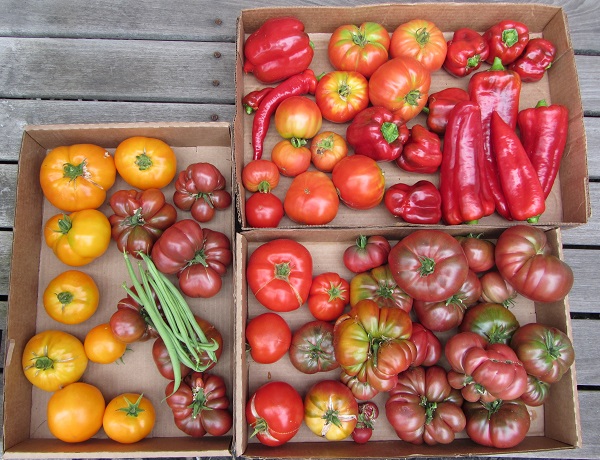
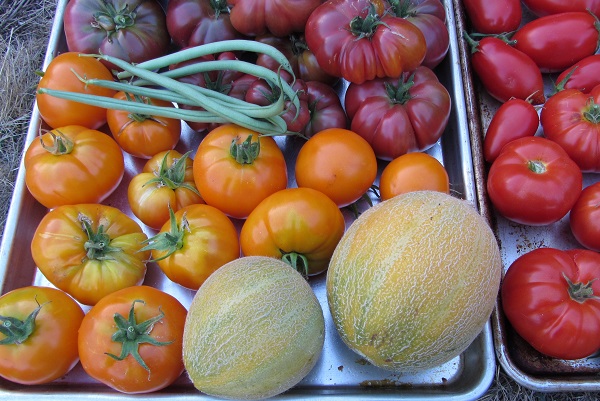
Starting on Friday, September 8 (Tomatoes: Old German, Purple Cherokee, Oregon Spring, Siletz, and Black Krim.  The big peppers are Carmen, the little bells are King of the North, there are also a couple of Jimmy Nardellos and a mis-labeled-when-we-bought-it regular bell pepper.  The beans are french filet beans from one of the whiskey barrels):

170908 harvest Friday

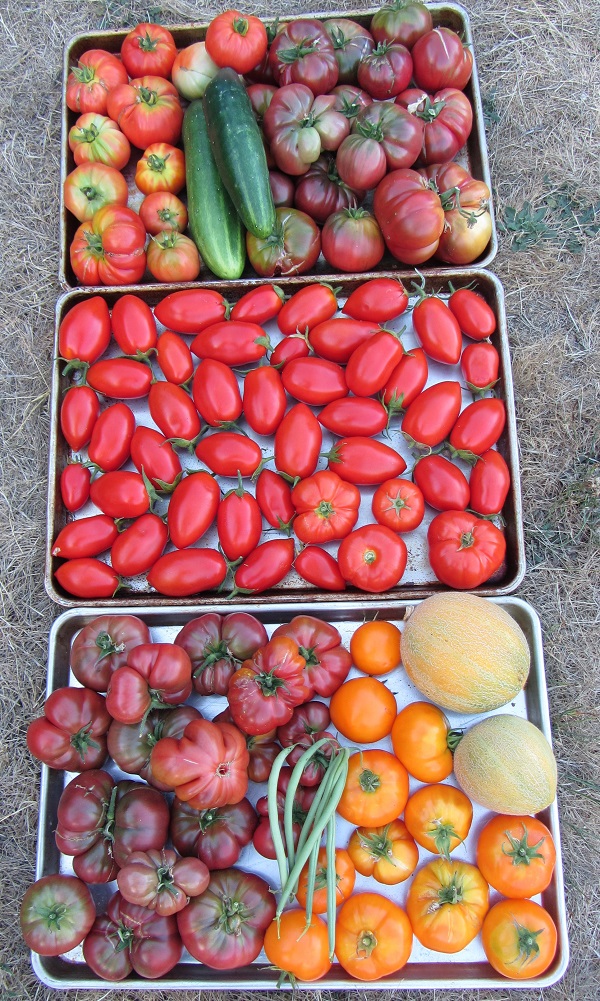
Tuesday, September 12 (L-R, top to bottom:  Oregon Spring, Marketmore 76 cucumbers, Black Krim, Roma, Purple Cherokee, Filet Beans that just keep coming, Old German, Minnesota Midget Melons):

170912 harvest Tuesday

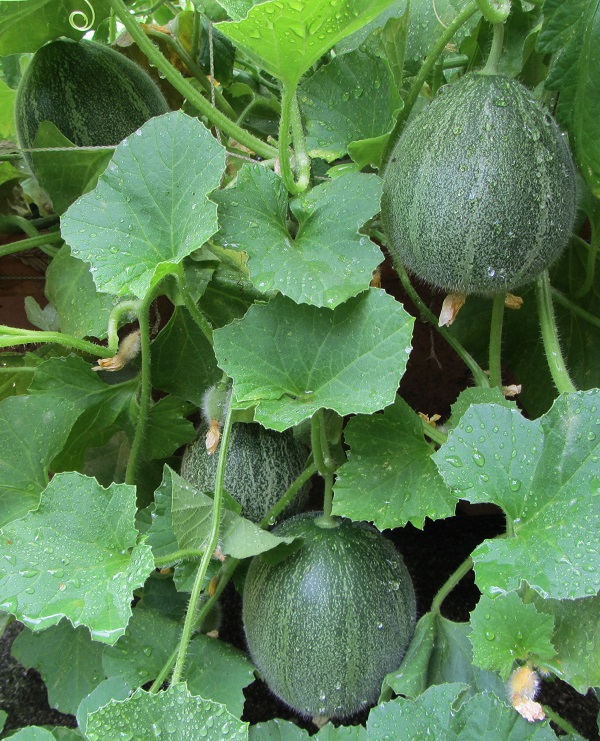
The smaller of the two melons was the first to ripen. The others still on the vines are the size of the bigger one. Here’s a close-up of the melons:

170912 melon close up

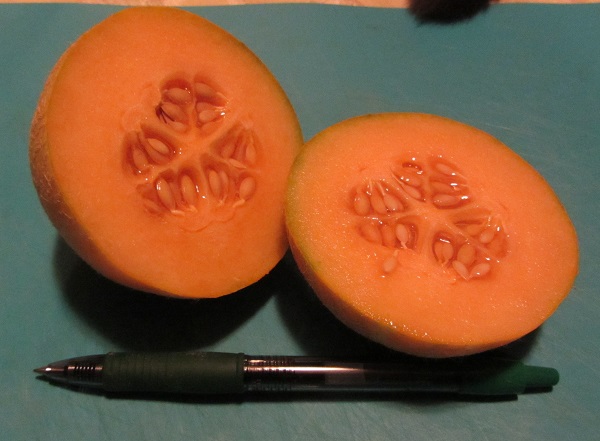
The little melon at dinner:

170912 melon

I’m pleased that we got *something* with the melons. The melons that didn’t survive the transplant and cool early season weather were replaced by a Siletz tomato plant. We’re going to get quite a few Siletz tomatoes to go with the 5-7 pounds of melons from the lone surviving melon plant.

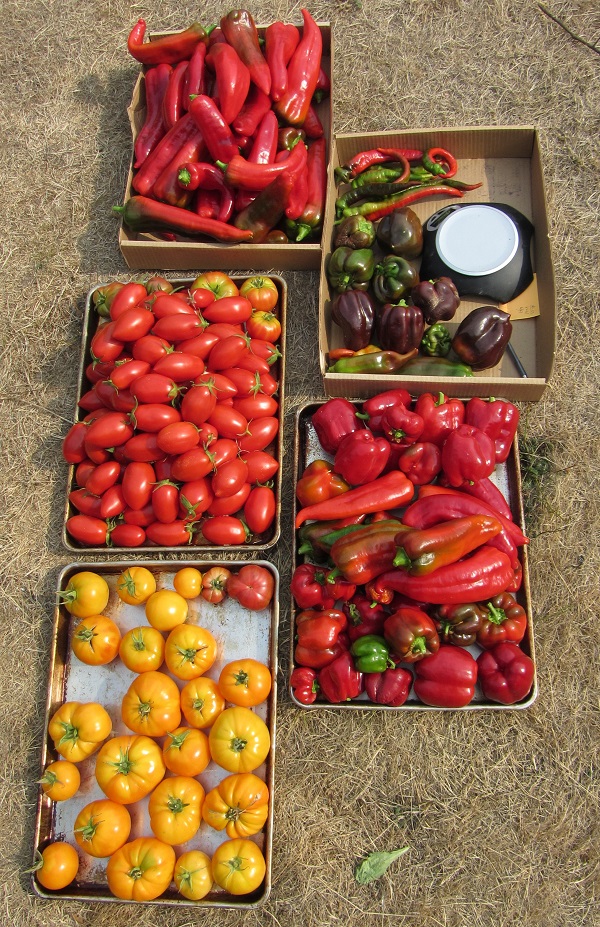
Onward to Saturday, September 16. It’s around 35 pounds of stuff. The left top box contains Carmen peppers. Middle left is mostly Roma, bottom left is mostly Old German. The top right box is a collection of assorted pepers. The bottom right box contains the mis-labeled-when-we-bought-them bell peppers, more Carmens, and King of the North.:

170916 Harvest Saturday

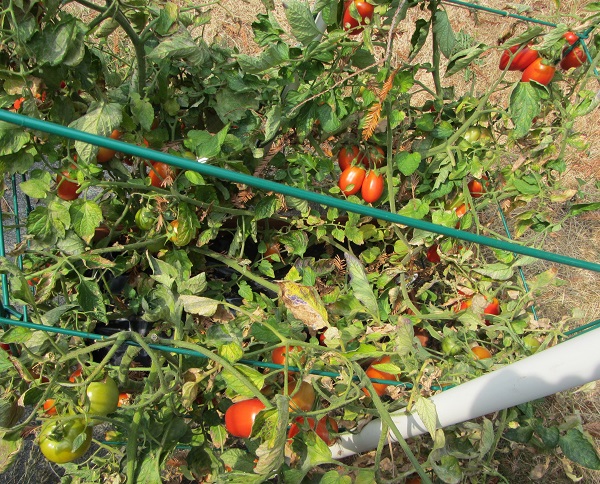
Even after all that, there are still more Romas. I’m guessing there may be 10-15 pounds hanging around:

170916 roma

As I write this, the wind is picking up. It’s supposed to be cool and rainy later today through Tuesday. We’ll see how many “jumpers” we get with the wind.
The melons are about done. But they’re ripening, so “done” is ok:

170916 melon

The basil will need to be harvested in the next few days. We been harvesting aggressively all summer and the plants seem to like it that way. That will be the new strategy in future years. Basically, instead of just managing the very tops and flowers we’ve been cutting a full node below the tops. It’s resulted in better product, and more of it:
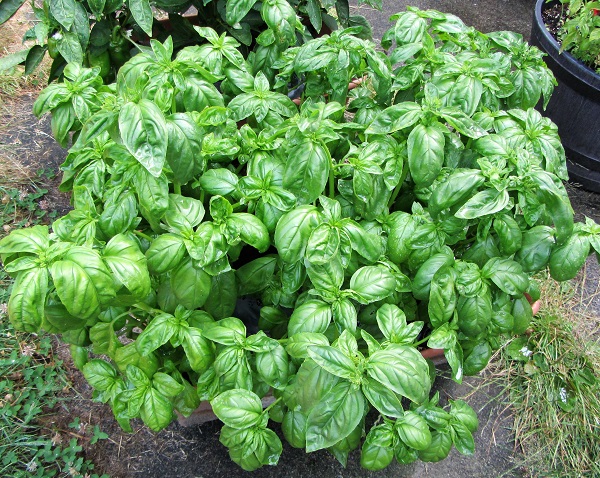
170916 basil

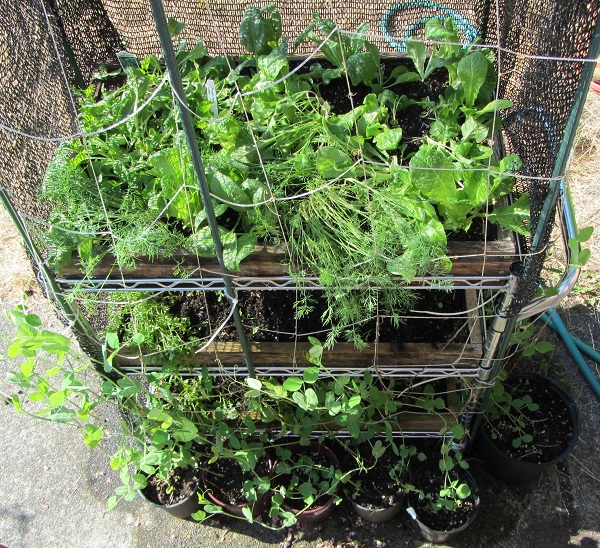
Finally, a picture of the salad table. We’re getting our first fall peas now. We’ll remove the shade cloth either today or very soon — we’re still getting days in the 70’s and one of the arugula plants decided to bolt. Better safe than sorry with the shade cloth. The trick will be reattaching it as neatly in the spring — or, remembering which way it goes back together:

170916 salad table


We’ll also make a point to aggressively harvest the salad table in the spring. It’s hard not to “wait” and hope the stuff gets bigger, but the plants almost always respond by going to seed.

—————————

Visit Dave at Ourhappyacres, host of Harvest Monday.

Container Garden Update — September 4, 2017

-A.J.

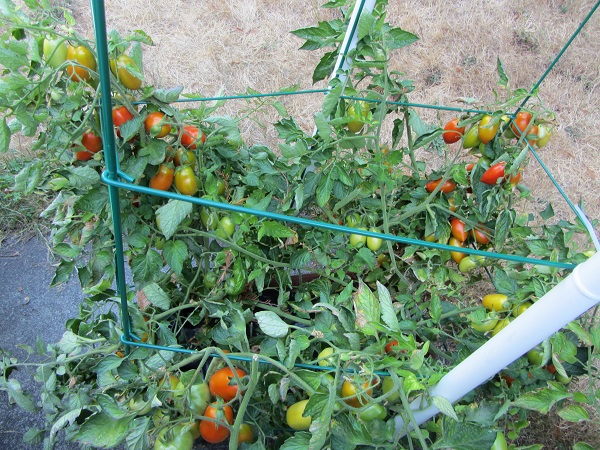
Despite the dry summer, the tomatoes, as a group, are late:

(L-R) Roma, Old German, Black Krim

A closeup, looking down on the Romas:

170904 Roma

The Wednesday harvest. Mostly Oregon Spring. On the top right are Black Krim, bottom right are Cherokee Purple:

170904 harvest

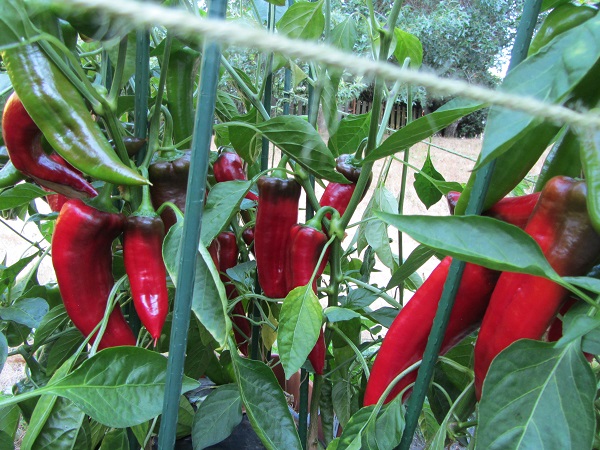
Many of the Carmens will likely get harvested this week:

170904 carmen

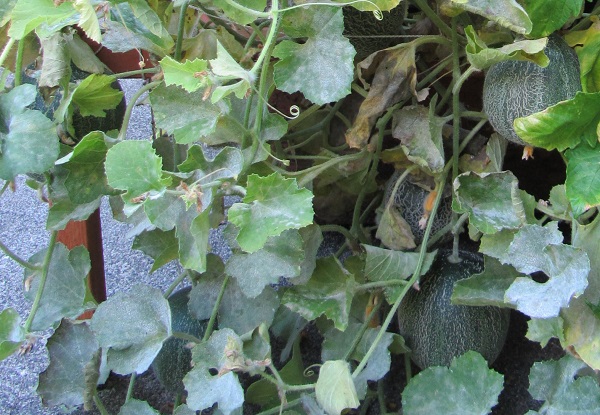
For the Minnesota Midget melons it’s a race between ripening and the “funk” taking over:

170904 melon

The Trombonico didn’t do well this year. I get the feeling that bugs were attacking the fruits just for the moisture. It was that dry here. This week we chopped out all but the greenest growth with the hopes of getting fruit in the next few weeks:

170904 zucchini

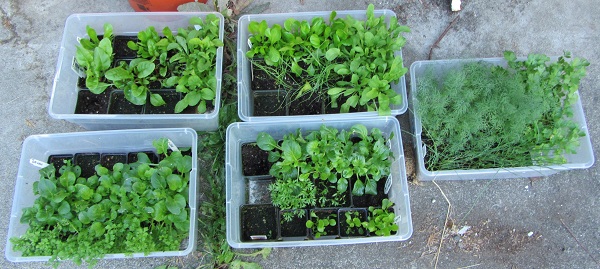
And today we transplanted most of the winter veg (Arugula, Dill, Spinach, Mache, Chard, Winter Cress, Winter Density Romaine, Joi Choy, and Cilantro):

170904 winter veg 2

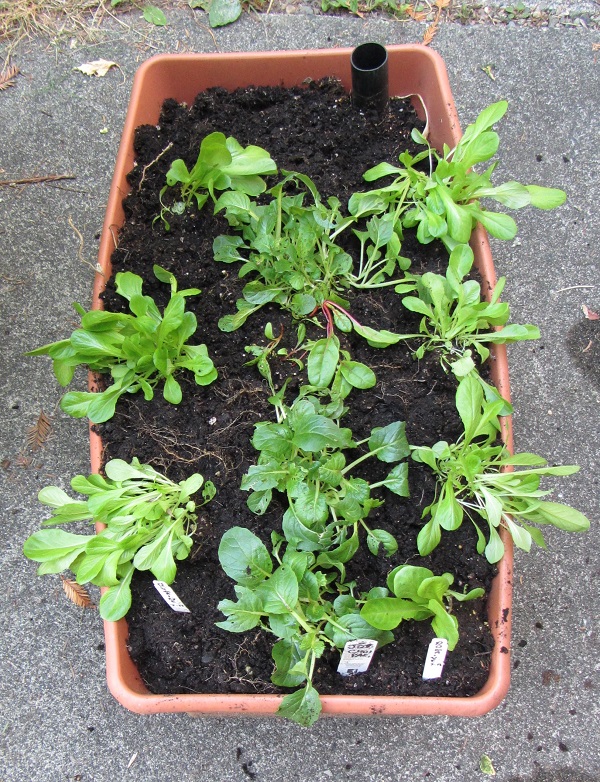
Some of the Romaine, Arugula, Joy Choi, and Bright Lights Chard went into the recently vacated Tomatillo EarthBox. The Tomatillos are now roasted, buzzed up, and frozen for Roasted Tomatillo Salsa.

170904 romaine, joi choy

Most of the rest went into the salad table:

170904 salad table

Everything is still a little floppy after the transplant. I’m guessing it all perks up by the end of the day today.

—————————

Visit Dave at Ourhappyacres, host of Harvest Monday.

Container Garden Update — August 20, 2017

-A.J.

Fall is approaching. There are lots of tomatoes but they’d better hurry up!

The Romas. To be fair, we harvested the 8 ripest fruits last night, so these are all leaning green:

170820 roma

This is going to be the biggest Black Krim we’ve ever seen:

170820 black krim

This is our first year with the Old German variety. This one is close to ready, it’s supposed to get some amount of red to go with all that orange:

Continue reading “Container Garden Update — August 20, 2017”

Container Garden Update — August 13, 2017

-A.J.

It finally rained last night after fifty-five days of no rain. Today was cool and drizzly, but it was a good day to get out and do some heavy pruning on the tomato plants. The harvest, including ripe Oregon Spring, Roma, and Black Krim tomatoes, tomatillos, and cucumbers. The green tomatoes for our pet store guy:

170813 harvest

An overview before the pruning:

170813 overview before

After pruning:

170813 overview after

Tomato alley:

170813 tomato alley

We harvested about 1/3 of the basil a couple of days ago. The plan is to harvest about half of what’s left tomorrow. In previous years we’ve waited too long and the basil got sort of bitter. We’re not going to make that mistake this year:

170813 basil

The Carmen Peppers are having a good year. We didn’t cage them and now they’re all threatening to flop over. We had to insert tomato stakes and run twine around everything to prevent disaster:

170813 carmen

Tomatillos:

170813 tomatillo

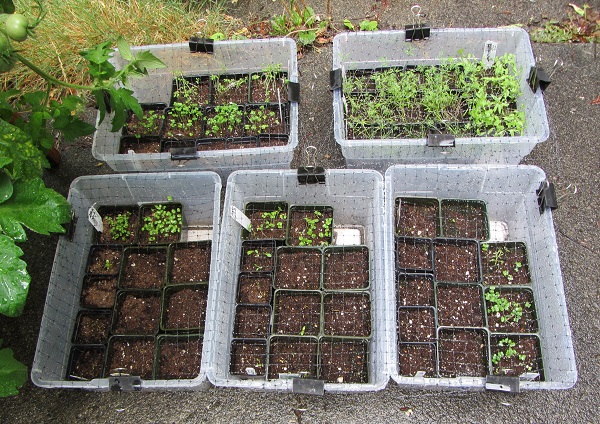
The seedlings got too much water and not enough sunlight. Some did ok, but we’re having to start over in many of the pots. Even without the shade cloth some of them are looking pretty leggy, so shortly after this picture was taken I moved them to a sunnier spot:

170813 seedlings

The Minnesota Midget melon plant has… melons!  They’re bigger than baseballs, but smaller than softballs. Hopefully they’ll ripen before the frost gets to them:

170813 melon

—————————

Visit Dave at Ourhappyacres, host of Harvest Monday.


Container Garden Update — July 16, 2017

-A.J.

It’s the middle of July, and we’re about to turn the corner from “growth” to “production”. The raspberries are in full swing:

170716 raspberry

There’s a lot more where that came from. Nice output from a pot on the patio:

170716 raspberry plant

The other fun find today were what I think are filet beans — the pods were all hiding under leaves:

170716 beans

We’re going to have a caprese salad tonight using some of this basil:

170716 basil

The Tromboncino zucchini are doing well. There are a few fruits, this one is about 1′ long:

170716 zucchini

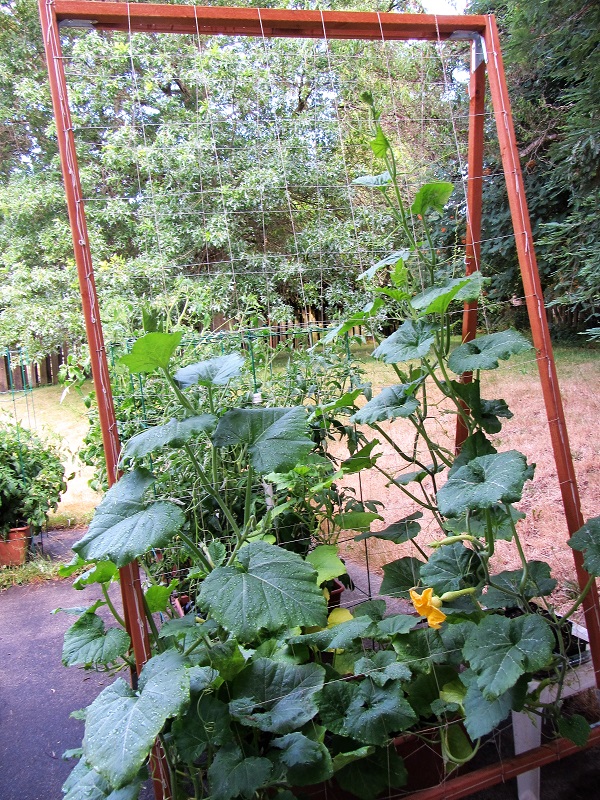
The 8′ zucchini trellis:

170716 zucchini plant

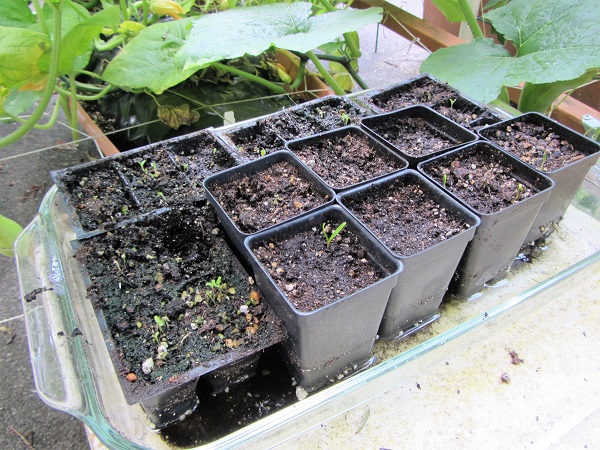
Hiding on the north side of the zucchini plant are some spinach, basil, and romaine seedlings. A critter got into them last night, so now they have bird netting over the top:

170716 seedlings

The Minnesota Midget melons are coming along after the slow start:

170716 melon

The cucumbers. There’s one on the bottom right that should be ready in a few days:

170716 cucumber

We’re going to get a *lot* of tomatillos this year:

170716 tomatillo

The Lilac peppers:

170716 lilac peppers

The Carmens:

170716 carmen

The Oregon Spring. Doing their usual crazy early thing:

170716 oregon spring


An overview from the “hill”. It rained a little bit this morning:

170716 overview

—————————

Visit Dave at Ourhappyacres, host of Harvest Monday.

Container Garden Update — June 25, 2017

-A.J.

We’ve had our first couple of really warm days, and the fans are now out of the garage. The warm-weather veggies are digging it. I love gardening this time of year because everything is young and vibrant, and the garden is growing and doing it’s own thing with a minimum of work input.

We’re going to get lots of raspberries this year. Speaking of work- I need to do a better job with the bird netting:

170625 raspberry

The beans. The edamame have been much more energetic than the filet beans, and much more bug-resistant too:

170625 beans

The cucumbers are just starting to climb the trellis:

170625 cucumbers

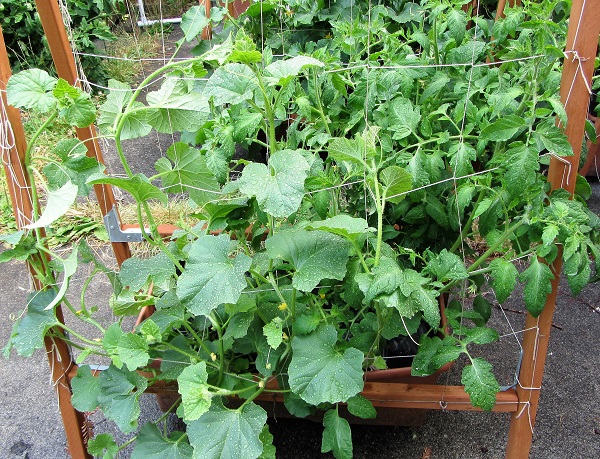
One of the four melon plants made it. We filled the space in the box with a Siletz tomato. In theory they should coexist well:

170625 siletz and melon

The Oregon Spring are drinking by far the most water of anything in the garden. I’m not sure if that’s a function of the box, their location, or just how much respiring is happening with all that plant mass. It may about time to thin the interior of the jungle:

170625 oregon spring

The rest of the tomatoes (L-R) Roma, Old German, Black Krim. There’s a Purple Cherokee hiding behind the Old German:

170625 tomato

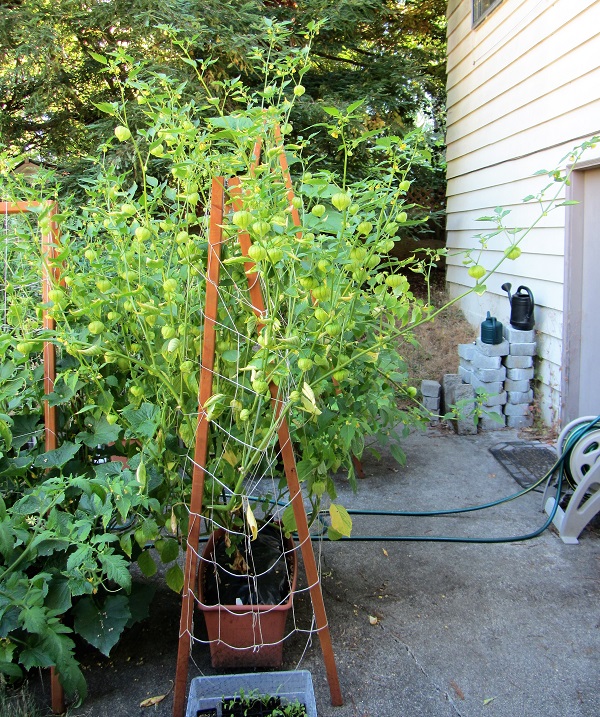
The tomatillos are up to the top of the 6′ trellis:

170625 tomatillo

The Tromboncino:

170625 zucchini

A closeup of the bottom of the Tromboncino. We’ll be eating zucchini soon:

170625 zucchini closeupAn overview:

170625 overview

—————————

Visit Dave at Ourhappyacres, host of Harvest Monday.