Pot Luck Focaccia

by A.J. Coltrane

Another variation on a high hydration focaccia, using this one as a jumping off point.

The goal this time was to make a focaccia that could stand on its own at a potluck. As compared to the linked (non-assertive) bread, this one features more salt, more oil, and the addition of rosemary to the top.

All I had in the house was AP flour. I would have preferred Bread Flour for this one, but I wasn’t going to make a trip to the store for it.

The recipe:

Ingredient Measure Baker’s %
AP Flour 500 g
Water 500 g 100
Salt 12 g 2.5
EV Olive Oil 30 g 6
Instant Yeast 1.5 tsp


1.  Combine all ingredients in a mixer and combine on low speed for 10 minutes. Lightly oil a parchment lined sheet tray.

2.  Let the dough rest for 20 minutes, then pour it into the sheet tray, gently coaxing the dough towards the edges of the pan. Cover and let rest 2 hours. Chop rosemary.

3.  Preheat oven to 425F.

4.  When the oven is hot, drizzle a small amount of oil on the dough. Sprinkle chopped rosemary on top.

5.  Bake for 15 minutes, turn the tray 180 degrees and bake for another 10 minutes.

If it’s a two-hour dough I’m always suspicious of the ability of the finished product to be interesting on it’s own. That’s not enough time for good stuff to happen, chemically speaking. On this variation I turned to the “volume knobs” of oil and salt — the oil was increased from 4% to 6%, and the salt was increased from 2% (the “standard”), up to 2.5% of the weight of the flour. The small amount of additional salt helps the bread stand up to other big flavors.
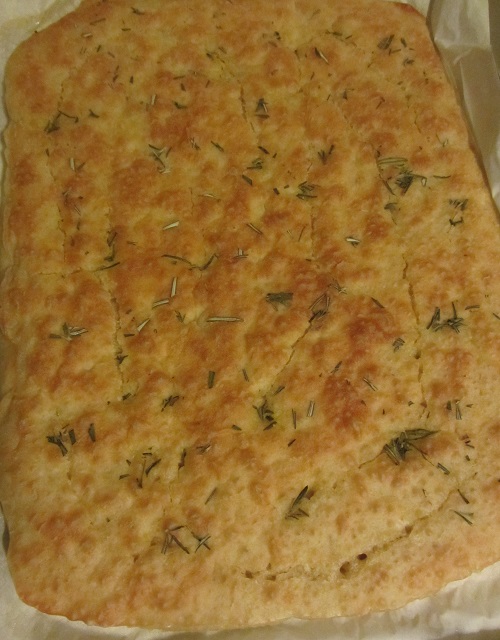
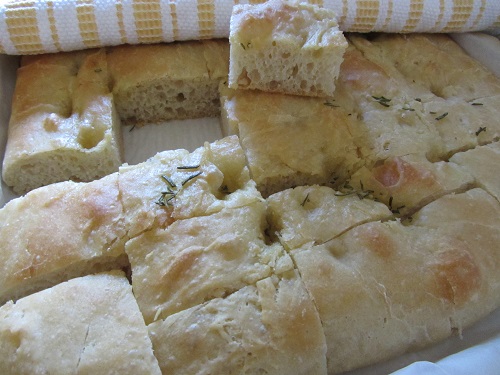
140828 focaccia

Something I ran into with both of these high-hydration doughs was that the raw doughs couldn’t support the weight of a drizzle of oil. This may be because the house was 80F+ on both attempts. Each time the top of the dough was saturated with tiny delicate bubbles. Spreading the oil around on the surfaces was out of the question. I wound up drizzling a thin stream of oil, which looks like little canals or “breaks” on the finished focaccia.

A close up:
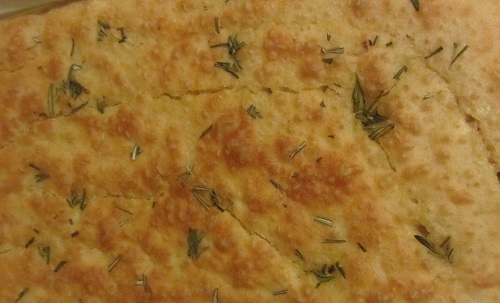
140828 focaccia close up

(Rushed 5 a.m. photography. Not terrible, considering.)

What I think I learned:

1.   100% hydration doughs might not be the best idea when the house is over 80 degrees. Something like 75-80% hydration would have been “safer” way to go.

2.   The dough was basically a batter. The finished bread likely would have benefited from a pan smaller than a sheet tray. As it was, the edges were pretty thin, which could have led to uneven baking.

3.   When I initially pulled the bread out of the oven it was fairly pasty looking. At the risk of drying out the bread, I popped it back in for 4 minutes — that’s what gave it a better color.

Fortunately all of that worked out, though I had my doubts.

I think it’s time to steer back towards “sane hydration” land for a while.
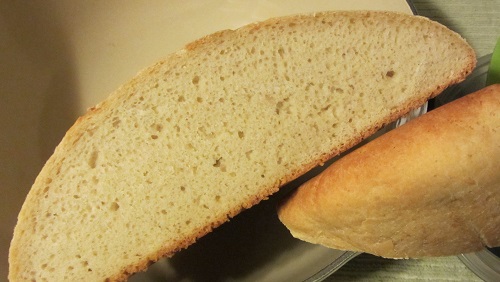
Oil Instead Of Butter – Sandwich Loaf

by A.J. Coltrane

Many sandwich bread recipes call for butter, milk, and/or buttermilk. In theory this one is a little bit healthier, it uses extra virgin olive oil as the fat.

The formula:

Ingredient Measure Baker’s %
AP Flour 500g
Water 325g 65
Salt 10g 2
Olive Oil 20g 4
Instant Yeast 1.5 tsp

It’s basically the same formula as this recent focaccia. The only real difference is that it uses 65% hydration rather than 75%.

The mixture was kneaded for 8 minutes. A small amount of oil was added to coat the mixing bowl, then the dough was allowed to rest for two hours. From there it’s mostly the No Knead Bread recipe — place a 5 quart dutch oven into the real oven and preheat to 425F (No Knead bread is cooked at 450F). Turn the dough out into the dutch oven. Bake, covered for 20 minutes, uncover and cook for another 20 minutes. Cool on a wire rack.

140824 sandwich bread

Crusty but not too crusty. Chewy but not too chewy. It retains the sandwich ingredients without leaking or falling to pieces. A perfectly fine sandwich bread.

Another Simple (3 Hour) Focaccia

by A.J. Coltrane

Served at this tomato tasting. Most recent Rosemary Focaccia here.

I’ve gradually been dialing back the amount of oil that I’ve been putting into focaccias…

Background:  When I started making focaccia I always measured the oil by volume. At some point I decided that seemed like a silly way to do it — if I already had the scale out, why dirty another measuring cup? My starting point for “oil by weight” was 10%+, as well as a pretty generous dose on top. The link above uses 8% oil. The focaccia below used only 4% with a very, very light drizzle of oil on top.

To go even further off track for a moment — I’m intending to do a post about how different bread types are related to each other based upon their contents. The thing is, I’m not entirely sure anymore what exactly I’m “making”. I have a starting idea, but that’s about it. Though I guess it really doesn’t matter so long as it tastes good.

The bread below uses 100% hydration — the weight of the water is equal to the weight of the flour. That’s among the highest hydration doughs that I’ve posted. This Berenbaum recipe used 113% hydration, but that’s (I think) the highest hydration dough I’ve done (and it uses 9% oil).

I was hoping to achieve a relatively spongy texture — lots and lots of little, fairly uniform holes. The ingredients:

Ingredient Measure Baker’s %
Bread Flour 520 g
Water 520 g 100
Salt 11 g 2
Olive Oil 20 g 4
Instant Yeast 1.5 tsp

Recipe:

1.  Combine all ingredients in a mixer and combine on low speed for 12 minutes. Lightly oil a parchment lined sheet tray.

2.  Let the dough rest for 20 minutes, then pour it into the sheet tray, gently coaxing the dough towards the edges of the pan. Cover and let rest 1.5 hours.

3.  Preheat oven to 425F.

4.  When the oven is hot, drizzle a small amount of oil on top of the dough.

5.  Bake for 15 minutes, turn the tray 180 degrees and bake for another 10 minutes.

That’s it. It’s seriously simple. The only “trick” is make sure that all of the flour incorporates into the dough — it will tend to want to stay on the sides of the mixing bowl. I used a spatula to scrape down the sides a couple of times during the mixing, then aggressively combined the remaining raw flour after removing the bowl from the mixer.140818 focaccia

Postmortem:  I feel like this one came out about as well as it could have for a 3-hour dough. Using bread flour rather than AP flour was (I believe) the right choice. Adding toppings (salt, herbs, or onion) might have made it more interesting, but the object was to complement the tomato tasting, and in that respect it was basically what I had targeted.

Multiple thumbs up.

Pesto Naan Gone Wrong

by A.J. Coltrane

Cedar’s on Brooklyn has an awesome Pesto Naan. Really, everything there is tasty and very reasonably priced. Try anything from the tandoori oven, but don’t go when it’s dinnertime. To quote Yogi Berra: “Nobody goes there anymore. It’s too crowded.”

I thought I’d try to replicate their Pesto Naan, only without the tandoori oven. I selected the Joy of Cooking recipe as a jumping off point and came up with this:

Ingredient Weight Volume Baker’s %
Bread Flour 400g ~3 cups 100
Greek Yogurt 264g ~1-1/3 cups 66
Kosher Salt 8g 2
Instant Yeast 1 tsp
Additional Water as needed

The Joy recipe calls for adding 1-2 tablespoons of water as necessary to make the dough come together. I added 2-3 tablespoons.

I kneaded the dough on low speed for 8 minutes, then set it aside to rest for 1-1/2 hours. While the dough was resting I made a simple pesto. So far so good. Time to preheat the oven to 450F.

I divided the dough into two pieces and rolled each piece out thinly. I then spread the pesto over one round, topped it with the other round and sealed the package.

It sealed ok, but then I decided *that* wasn’t good enough. I tried rolling out the package at little more and managed to irreparably split the seam. Bad idea #1.

At that point I said “Ok screw it. Let’s put it in the oven and see what happens.”

Unfortunately I selected the perforated pizza pan that I like so much. Unfortunately as the pesto heated up it exuded a bunch of oil. Unfortunately that oil leaked out the sides of the naan and caught fire on the bottom of the oven.

“That’s a lot of smoke.”

“Where’s the fire extinguisher?!”

It wasn’t a *big* fire, but it was big enough to be a concern. I grabbed the nearest towel and yanked the mostly cooked dough out of the oven. No sense feeding more fuel into the fire. Plus, I’d put some energy into the naan! I was torn between dosing the fire extinguisher into the oven or just riding it out. I couldn’t figure out how to work the fire extinguisher, which was just as well. The fire burned itself out in 3 or 4 minutes.

“Well heck, the fire is out. I’ll leave the oven turned off and put the naan back into the oven to finish cooking — on a sheet tray this time.”

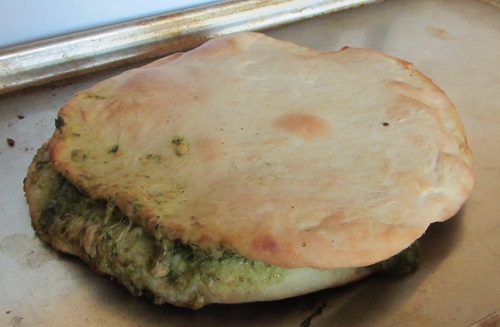
140725 pesto naan

The bottom was a little too dark, but overall it was a winner.

As an added bonus I’d managed to throw a piece of orange plastic into the oven as part of the rush to yank out the naan during the fire. Chiseling melted plastic out of the oven is so much fun!

Note to self:  No perforated pans next time.

Award Winning Caprese Salad

By Iron Chef Leftovers

Mrs. Iron Chef needed a dish for a work pot luck recently and of course she turned to me to ask if I would make something. I debated making my Mac and Cheese, but we weren’t sure if there was any way to heat it up and it has been too bloody warm to make Mac anyway. I figured that since the event was outside and during the heatwave we have been going through that a nice Caprese Salad would be a good choice and I would do it with a twist. Tomatoes are just about in season, watermelon is in season and I have more basil right now than I know what to do with so it seemed like a good candidate with easily accessible ingredients. It would be quick to make and easy to transport also. So I went with it. At the event there was a contest for best dish and guess what took home the top prize?


The Software

1 ¼ lbs. ripe, in season, tomatoes, cut into ½ in pieces

8 oz. Fresh Mozzarella, preferably Ciliegine size, drained, patted dry and halved

8 oz. Watermelon, cut into ½ inch pieces

1 ½ tablespoons coarsely minced fresh basil

1 tablespoon balsamic vinegar (or red wine vinegar)

2 table spoons extra virgin olive oil

½ teaspoon salt


The Recipe

In a large bowl combine the tomatoes, mozzarella and watermelon and toss gently to combine. Add basil, oil vinegar and salt and toss gently to combine. Taste and adjust salt and add fresh ground pepper as desired. Let sit at least an hour to combine (don’t refrigerate it) and toss just before serving. That is it, there is nothing else to do but enjoy.


What fresh mozzarella looks like. The ones you want to buy are in the lower right of the board and yes, I do recommend the Belgioioso brand.

Notes

The key to this is to use in-season tomatoes. The riper they are, the sweeter they are so if you grow your own, this dish will be much sweeter than if you use store bought ones. I prefer roma or cherry tomatoes for this dish, but just about any tomato will work except for the ones that you will find in the supermarket labeled as “slicing tomatoes”. The mozzarella should be available in the deli section of most mega marts and the ciliegine size are about the size of the tip of your thumb. You can use just about any size mozzarella balls (don’t use the slicing mozzarella, it doesn’t have enough moisture), you just want to cut the pieces into roughly the same size as the tomatoes and watermelon. If you are using home grown tomatoes that are really sweet, I would recommend using red wine vinegar rather than balsamic – otherwise you risk a very sweet salad. A nice trick for mixing the oil and vinegar – put them into a small container with a lid and shake vigorously a couple of times until combined. I usually have a small container of the two handy so I just need to shake it up and pour over a salad. Adjust the recipe to taste – if you want more tomatoes, or basil or mozzarella, or watermelon, add it. You may need more oil and vinegar, if you do increase the other ingredients – just do it slowly. This salad is also great with some raw sweet onions sliced thinly added to the mix and served over grilled bread.

Arugula and Goat Cheese Pizza

by A.J. Coltrane

The arugula is going nuts right now. It looks like it’s trying to bolt, so we did what we always do when something may be threatening to bolt – we whacked many of the plants’ leaves and consumed them. “Let’s see you go to seed now!” (It does seem to slow the bolting process. Maybe.)

140607 pizza

Pizza with arugula as the star of the show. I think it’s relatively photogenic:

140607 pizza slices

The Very Loose Recipe (I initially dumped in too much water, so I added more flour to make a 60% hydration. Hence the weird math.):

240g AP flour, 144g water, 5g kosher salt (2% of the flour weight, which is normal), 1 tsp instant yeast, 2-3 TBP olive oil.

I was pretty careless during production I guess — the large amount of oil was a screwup as well. (And no, I wasn’t having any beverages at that time.)

Preheat the oven to 500F.

Stretch the dough was very thinly over a pizza pan. (I used a perforated pizza pan for baking.)

Spread red sauce very thinly over the dough.

Cook for 7 minutes.

Add the goat cheese and cook another 6 minutes.

Remove from the oven and top with the parmesan and arugula.

—-

I was pleasantly surprised at how good arugula is on pizza! I never thought – “Salad greens on pizza, what a great idea!” But really, the peppery bite of the arugula with the salt from the parmesan, fat from the goat cheese and acid from the red sauce — it was really pretty good. The extra oil in the very thin dough made for a very crackery pizza.

The is the 24th “pizza/flatbread” post. Whew. I got to looking back through them – the photography is always… what it is. A couple of previous favorites:

The March 2011 “Pizza Dough” post. I scaled nine different recipes to a common denominator of flour volume. That was fun to do, if a little tedious at times. (No photos on this one, though Google loves it.)

The February 2013 “Heart Shaped Pizza“.  Awwwww. I gave the post the evocative name – “Another Six Minute Pizza”. I’m such a romantic.

July 2012 – “Leftover Calzone Ingredients? More Pizza!”  Featuring one “ok” pizza picture, one that’s better than that (the lower picture, in my opinion is the better one), and one very good picture of “the princess”.

And finally, the Super Bowl “Pizza Bianca – A Sizable Super Bowl Sendup“. It’s a 16″ x 22” grilled flatbread that was served at our Super Bowl party. It was a “big” hit.

Ugh. I always feel like I need to wash my hands after puns like that.

Rosemary Focaccia

by A.J. Coltrane

Another focaccia. I was happy with the crumb on this one.

140628 rosemary focaccia

The recipe:

Ingredients-

600 g King Arthur bread Flour

480g water (80% hydration)

15g salt (2.5%)

1.5 tsp instant yeast

1/2 cup total olive oil warmed in a skillet with rosemary. Let the oil cool. Strain out the fried rosemary. 42g oil goes in the dough (7% of the flour by weight). Reserve the remaining ~30g for the bottom and top of the focaccia.

The Process-

1.  Mix ingredients (except the “top and bottom oil”) on low speed for 12 minutes. Let rise 1 hour. Spread ~2 tsp of the olive oil onto a parchment covered sheet tray.

2  Mince a little more rosemary for the top of the dough. Toss this in with the reserved olive oil so that they can hang out a while.

3.  Move dough to the sheet tray, let rise 1.5 hours, covered with another inverted tray. (This is easier if you first dip a spatula and/or your fingers into the reserved oil. The dough will be very sticky.)

3.  Just before the dough is to go into the oven, top with the reserved oil/rosemary.

3.  Preheat oven to 425F. Bake 12 minutes, turn the sheet tray around and bake another 12 minutes.

4.  Previous attempt is here. Also here, here, here, and here. It seems I like making focaccia.

——-

I’m guessing that the crumb came out better than usual because:

A)  I used only 7% oil inside the dough, and a light hand was used with the oil on top. Historically it’s been 8-10% oil within the dough.

B)  The 1 hour initial rise before placing the dough into the sheet tray.

C)  It was warm in the house.

———

If I were to try it again I’d take it a little easier on the rosemary — maybe not warm as much rosemary in the oil, or not leave it in for quite as long.

Risotto with Porcini, Peas and Prosciutto – in Pictures

By Iron Chef Leftovers

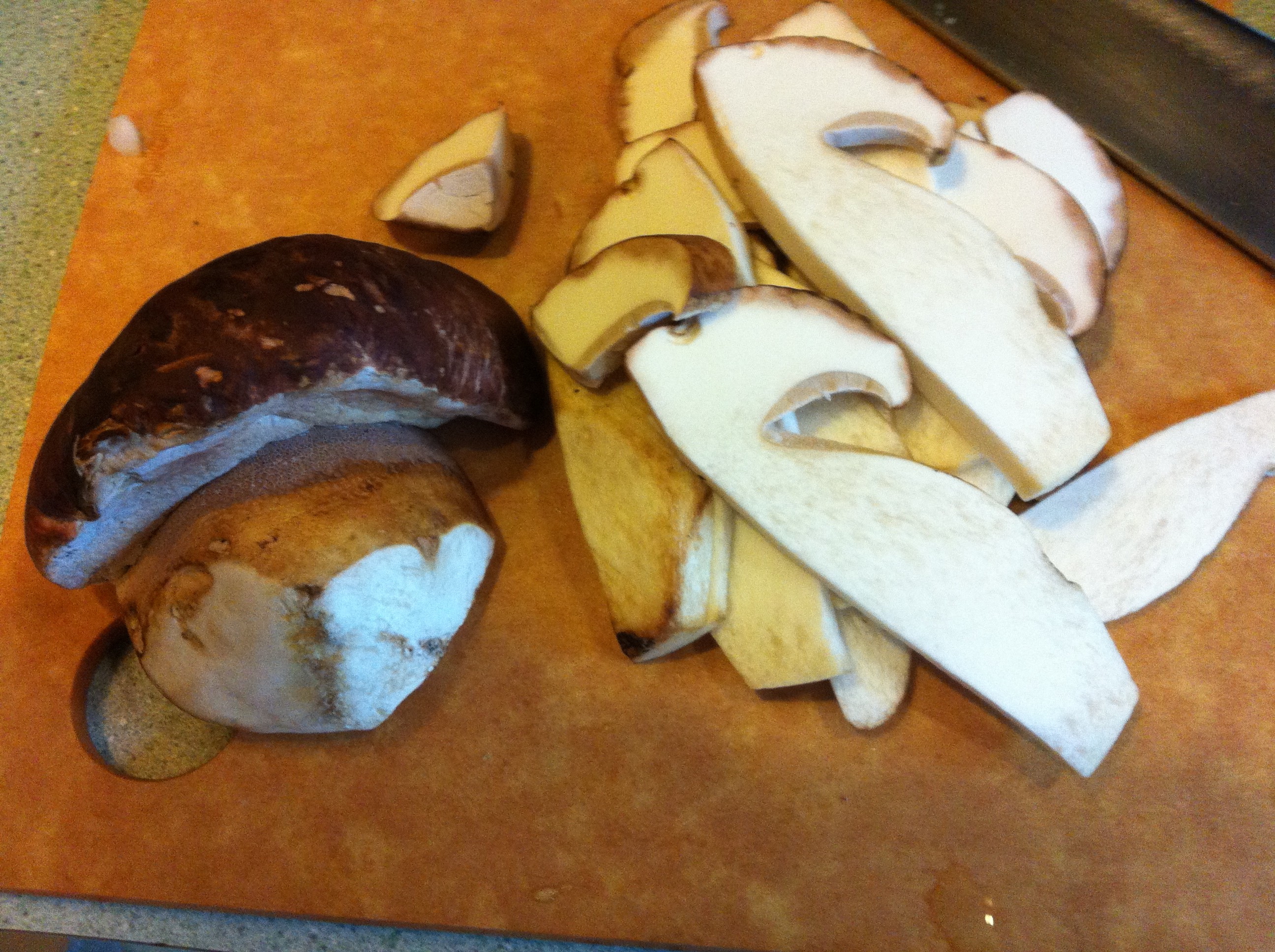
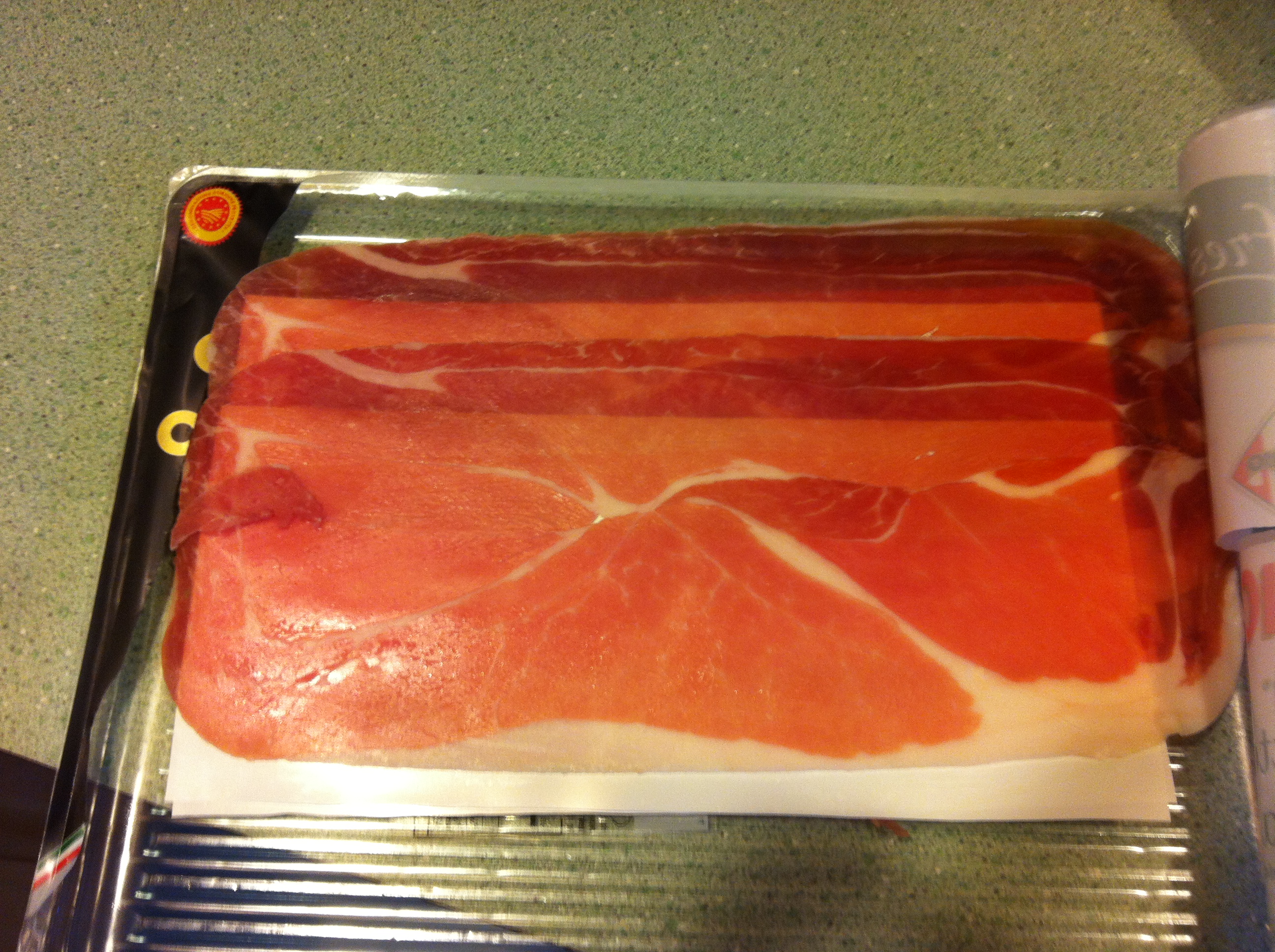
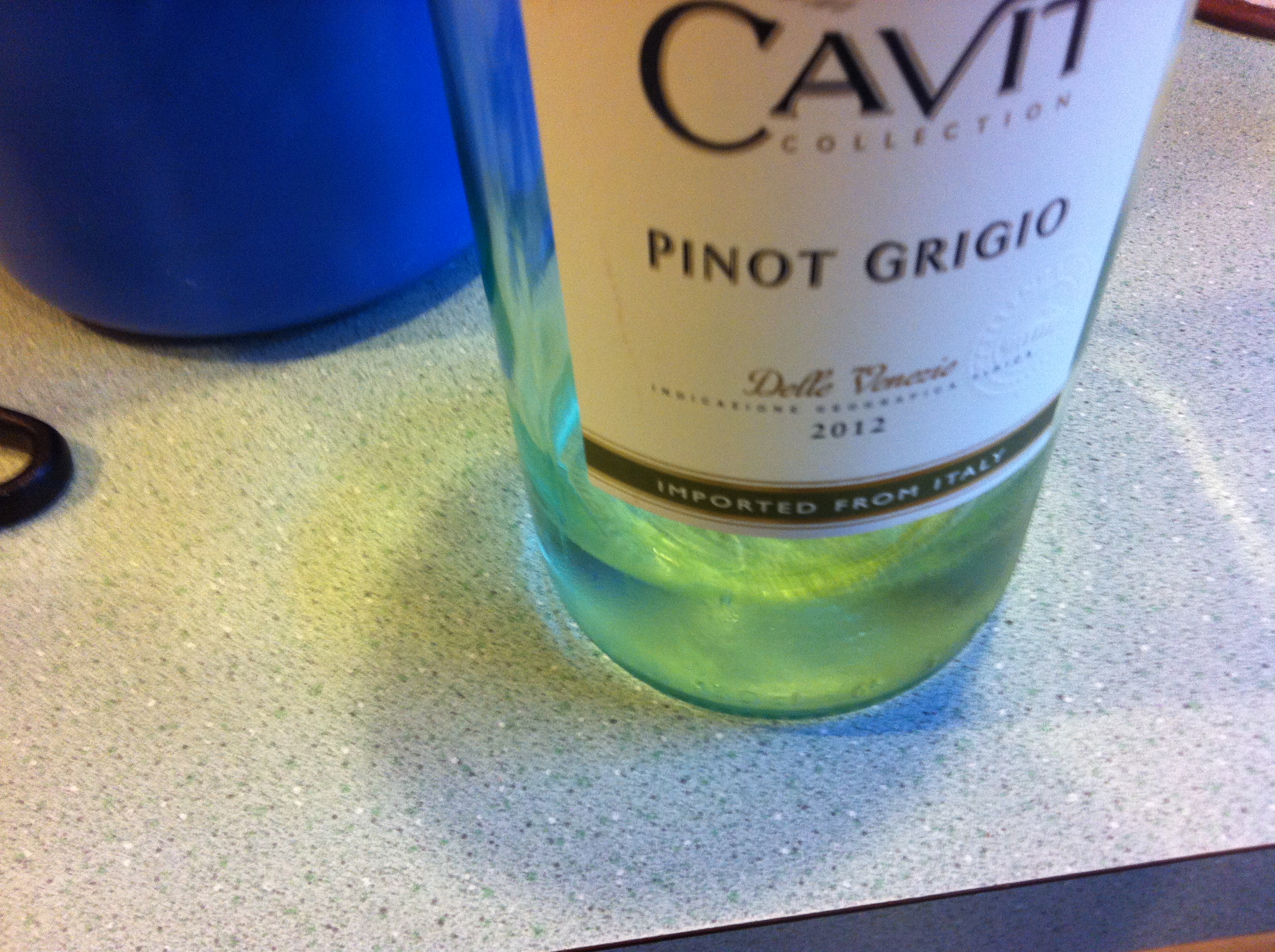
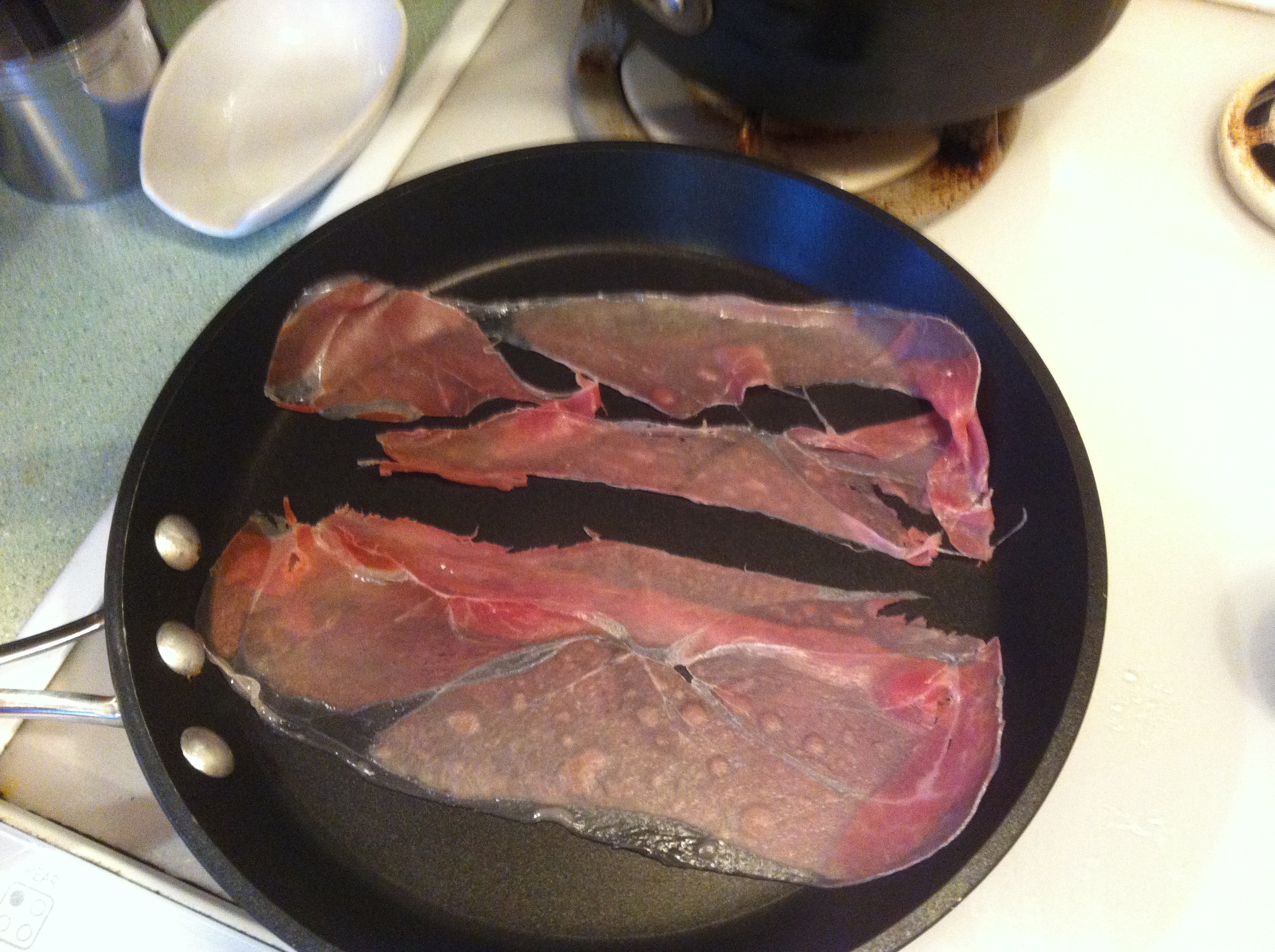
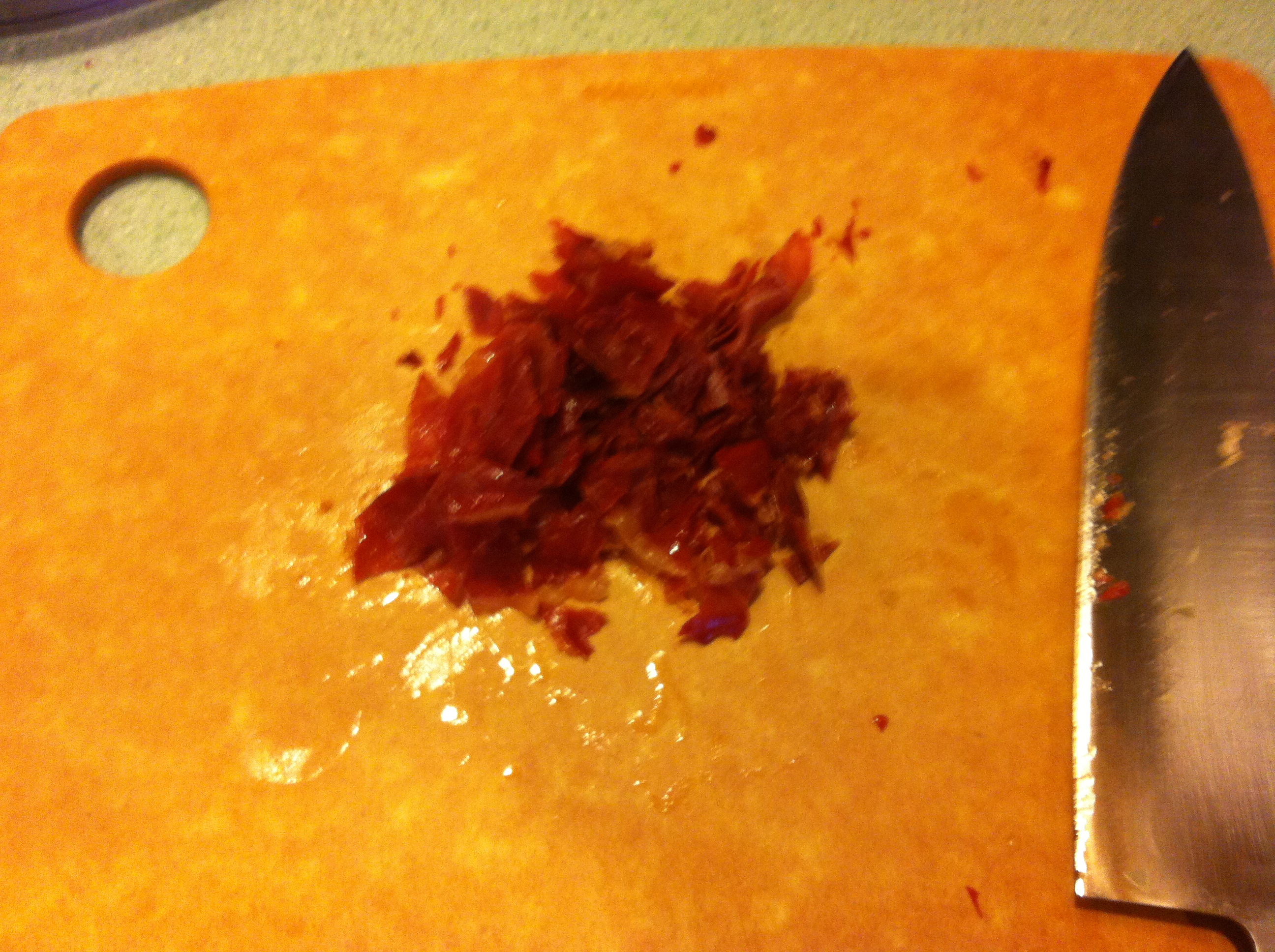
I had forgotten I intended to do this. A few months back, I picked up an amazing few fresh porcinis and fresh english peas and made a risotto (the base recipe is here). Here is my result, in pictures.

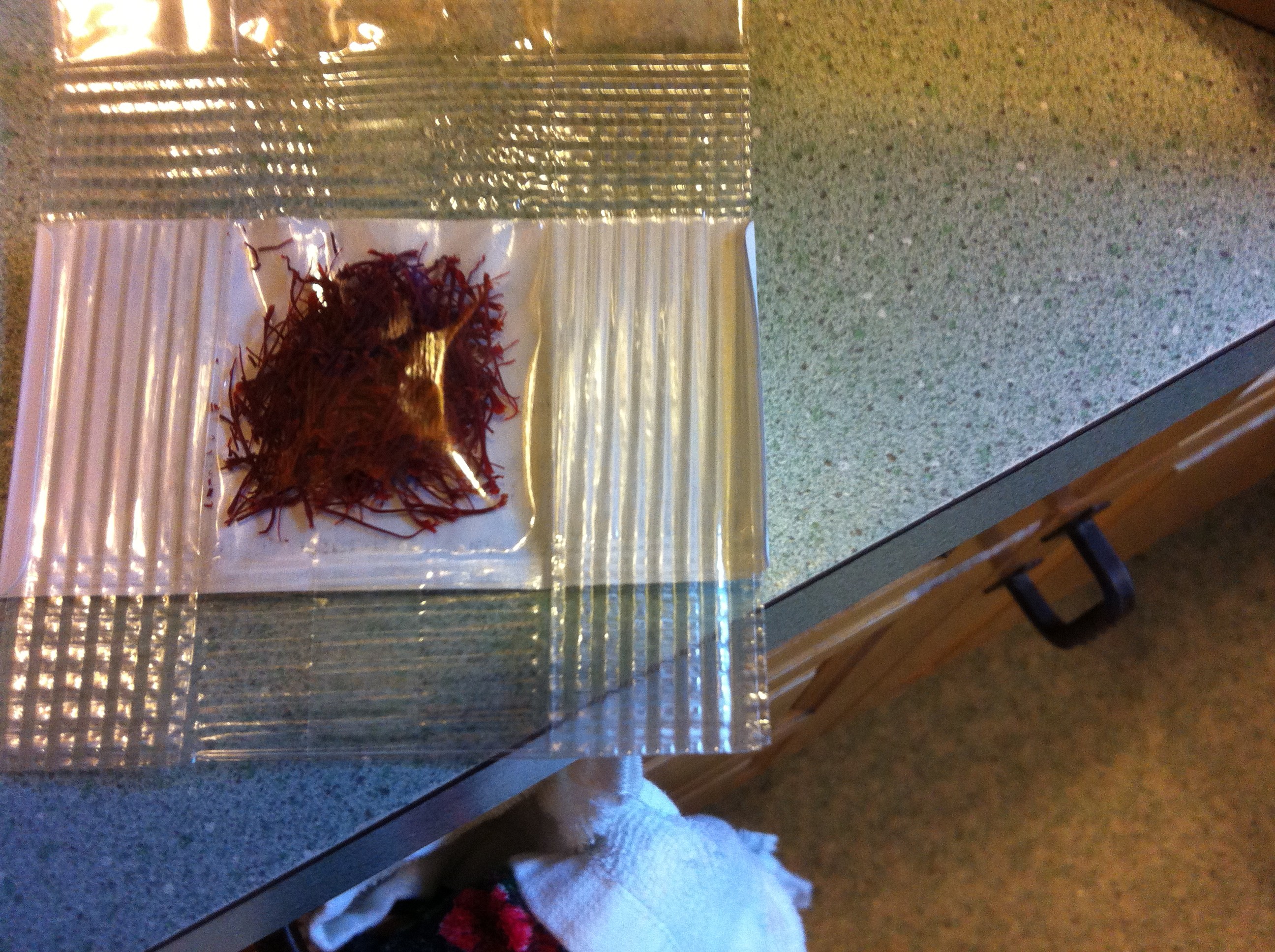
Ingredients

Cooking

I forgot to include a picture of cooking the risotto, so sue me.

Assembly

Pea “Pesto”

by A.J. Coltrane

Pea “pesto” on a baguette. It’s this bread with these peas and basil:

140611 pea pesto

Ingredients with approximate volumes:

Super Sugar Snap Peas and Basil at a 1/1 ratio.

Goat cheese (about 1/3 of the total peas and basil)

Dash of Salt, Glug of Olive Oil


Super Fresh Ingredients That I Don’t Screw Up = a well received little plate.

I’m not planning to raise goats or grow wheat, so this is as close to truly homemade as it’s ever going to get. It’s sorta satisfying to get even that close.

The Right Tool For Slashing Bread Dough — II

by A.J. Coltrane

Previous post here. It seems I revisit this “problem” periodically.

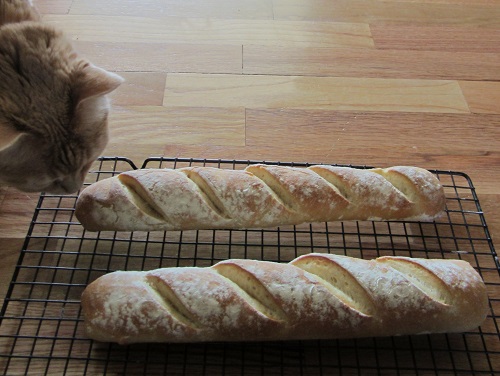
For reference, the last attempt:

I took the picture on the floor because that was the best light at that hour. Naturally, it drew some interest.

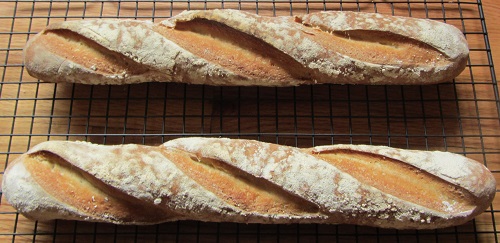
And today’s:

140609 bread

The Differences:

1.  Fewer slashes on this attempt. The slashes were more “lengthwise” and less “across”.

2.  The slashes were at a slight angle to the dough. Maybe 30-45 degrees or so. Last time they were perpendicular to the countertop.

3.  Prior to this attempt I reread an earlier CSE post. In that post I noted that I’d read that it was best to keep the slashes in the middle 3rd of the dough. (In other words, I tried to not slash all the way to the edges of the dough this time.) The real advantage of documenting this stuff is the searchable notes.

4.  The breads received less steam on this attempt, resulting in darker loaves and a thicker crust — they got steam for 5 minutes rather than 10 minutes. The steam was in the form of a small amount of water in a roasting pan underneath the loaves. [For reference:  450 degrees. 5 minutes with steam, 10 minutes without steam, then turn the loaves around and bake for another 10 minutes. 25 minutes total.]

In any event, I think that this time they were way closer to what I have in mind as “correct”.